
Iran rejects calls for ceasefire, sets out demands for ending the war
Trump is lying: Trump says he negotiated a great deal - Iran says there has been no negotiations.
GlobalHarmony.Blog
3/23/20262 min read
CNN: US and Israel targeting Iranian schools and hospitals
Iranian Foreign Minister Abbas Araghchi rejected calls for a ceasefire and laid out Tehran's conditions for ending the war in an interview with Japan's Kyodo News.
He noted that the conflict must end completely and permanently with guarantees against future attacks and compensation for damages.
Araghchi also offered to facilitate safe passage through the Strait of Hormuz for Japanese vessels.
Iran rejects ceasefire, demands permanent end and compensation
"We do not accept a ceasefire because we do not want what happened last year to be repeated. The war must end completely and permanently, and guarantees must be given that this situation will not happen again. The damages inflicted on Iran must also be compensated," Araghchi said.
He described the war as "imposed on Iran," saying Tehran had been engaged in negotiations with the United States when the attacks began on Feb. 28.
"This was an illegal, unprovoked act of aggression. Iran's response constitutes self-defense and will continue for as long as it takes," he added.
Araghchi said several countries are attempting to mediate and that Iran is "open to any initiative" and willing to consider proposals.
However, he suggested the United States has yet to demonstrate its readiness for a genuine resolution.
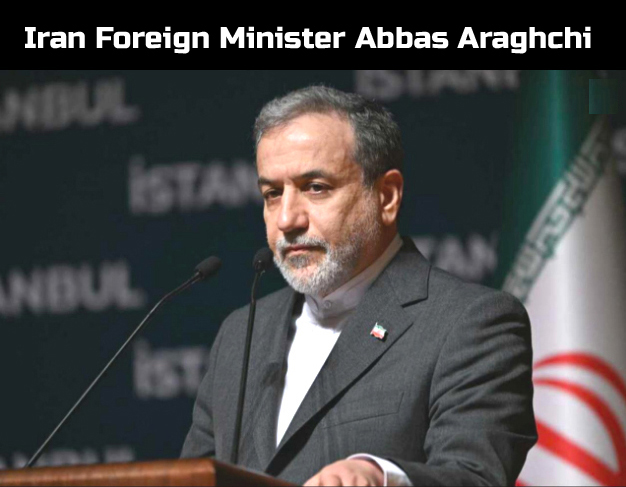
Iran Foreign Minister Abbas Araghchi looks on during the sidelines of the 51st session of the Council of Foreign Ministers of the OIC in Istanbul, Türkiye, June 22, 2025. (AFP Photo)
Hormuz is 'open': Japan can coordinate for safe passage
On the Strait of Hormuz, Araghchi stated that Iran has not closed the waterway.
"We have not closed the strait. It is open. We have only imposed restrictions on vessels belonging to countries involved in attacks against Iran," he said.
He added that Iran is prepared to ensure safe passage for countries such as Japan if they coordinate with Tehran.
Japan relies on the Middle East for over 90% of its crude oil imports, most of which travel through the Strait.
Araghchi, a former ambassador to Japan, said the issue of navigation through the strait by Japanese vessels was discussed in his recent talks with Japanese Foreign Minister Toshimitsu Motegi and that discussions are continuing.
In their most recent conversation, Motegi urged Iran to ensure the safety of all vessels in the strait.
A Japanese government official said that "directly negotiating with the Iranian side" is the "most effective way" to lift the blockade, while noting the need to avoid provoking the United States.
A Japanese Foreign Ministry official said Tokyo would carefully assess Araghchi's remarks, adding that even if Japanese vessels are able to sail through, the surge in energy prices will remain.
Vessels from countries including India, Pakistan, and Türkiye have reportedly passed through the strait.
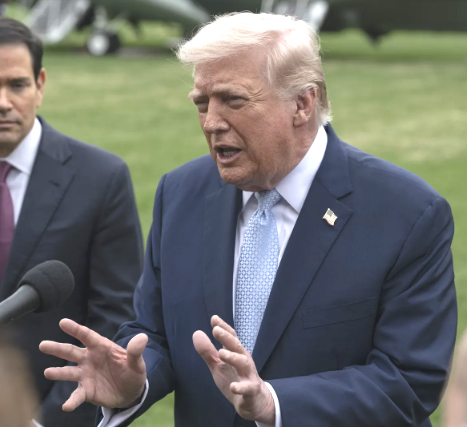
Trump is lying.
Trump says he negotiated a great deal - Iran says there has been no negotiations.
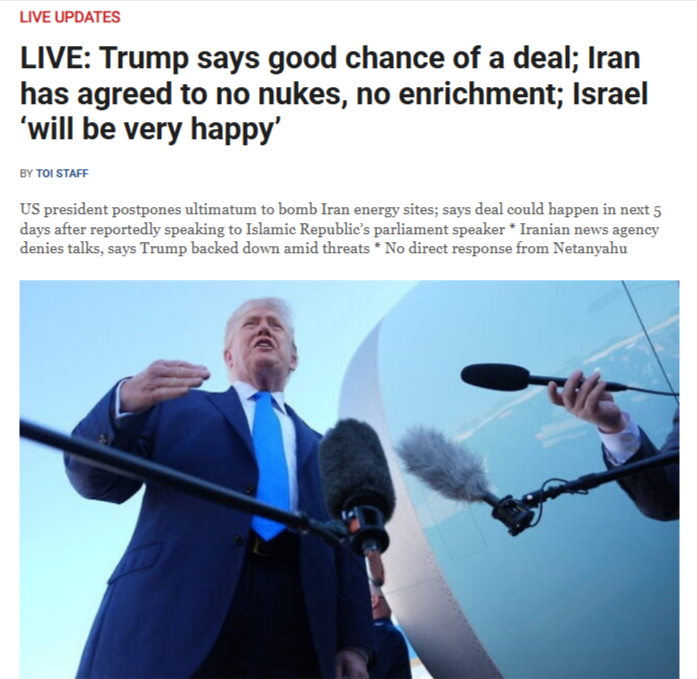

Prof. Jeffrey Sachs: Trump Lying About Deal with Iran
Exploring Diplomatic Solutions for World Peace and Harmonious Living
contact@globalharmony.blog
© 2026. GlobalHarmony.Blog - All rights reserved.